Request Private Consultation

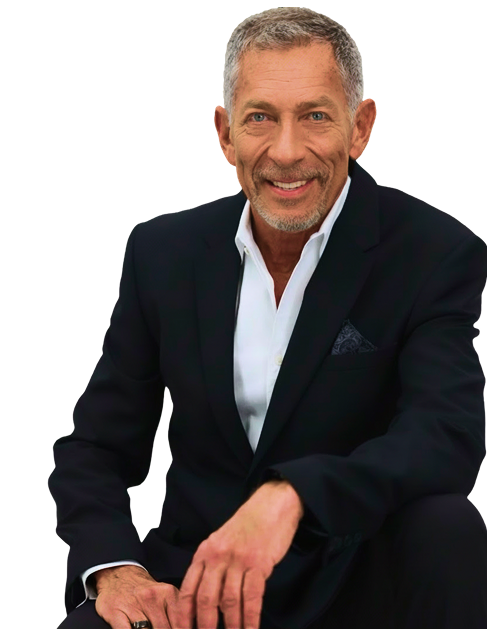
About Dr. Mark Rosenbloom

Specializing in preventive and performance medicine, Dr. Mark Rosenbloom applies a rigorous, data-driven model to longevity and physiologic optimization. His practice emphasizes early detection, strategic recalibration, and sustained physician continuity to preserve strength, metabolic precision, and cognitive resilience over time.

Dr. Mark Rosenbloom

Bio

Most physicians go straight from college to medical school. Dr. Rosenbloom took a different route.
After completing a BA Honours in Economics at McGill University, Dr. Rosenbloom earned his MBA from Stanford University — where the framework for managing complex systems with precision and accountability was formed. He went on to serve as Senior Executive Vice President of one of North America’s largest publishing companies, managing at scale before most physicians had seen their first patient. He then pursued medicine, earning his MD from Northwestern University Feinberg School of Medicine and completing residency training in Emergency Medicine at the University of Illinois College of Medicine. Years in high-acuity emergency care refined a capacity for rapid pattern recognition, consequence-aware decision making, and performing under pressure — skills that translate directly to longitudinal performance medicine.

He observed repeatedly that by the time disease presents acutely, underlying metabolic and vascular changes have often been progressing for years. That observation drove a deliberate transition: away from reactive care, toward the structured interception of physiologic decline before it becomes structural.
He built a structured longitudinal model integrating advanced biomarker analytics, hormonal optimization, insulin and metabolic monitoring, lipid particle evaluation, body composition analysis, aerobic capacity measurement, and cognitive assessment — managed together as a system, not in isolation. The physician who thinks like an operator.

He is the founder of PEPID LLC, a medical software platform serving clinicians globally, and has founded two public charities: the Unicorn Children’s Foundation and the Boca School for Autism. He has served as Associate Professor of Clinical Medicine and attending physician at Northwestern Memorial Hospital. He currently serves on the Medical Advisory Board of the Alzheimer’s Treatment Centers of America and is a clinical investigator in emerging neurodegenerative therapies. A long-standing member of an elite peer network for top-tier executives and entrepreneurs across every field. Keynote speaker on longevity and performance medicine. His book, ALIVE AF: Outperform. Outlive. Refuse Average., is a prescriptive guide to longevity medicine for high-performing adults, available on Amazon.

“I manage your health the way you manage your most important asset — strategically.” 

Refusing the Fade — A Personal Standard

I am seventy-three years old.

That sentence is supposed to signal decline.

It doesn’t.

My lean muscle mass continues to improve.

My VO₂ max is higher than it was years ago.

My metabolic markers are stronger than many men decades younger.

My cognitive testing has improved measurably over the past four years.

On objective comparison to age-matched population data, these metrics consistently fall within the highest percentile ranges.

I measure these variables because I have seen what happens when you do not. 

My father underwent quadruple bypass surgery at seventy-three — the age I am now. I remember the hospital room. The fragility. The loss of dignity. 

My grandfather died at fifty-five from a heart attack.

Both of my parents developed Alzheimer’s disease.

I have seen decline up close — not as a statistic, but as a son.

Genetics did not favor me. If inheritance were destiny, deterioration would already be evident.

Instead, I am stronger than ever! 

That outcome is not accidental.

It is built — session by session, meal by meal, lab by lab.

Resistance training when I would rather rest. Intervals when my lungs protest. Dietary discipline when convenience tempts. Biomarker monitoring when complacency suggests I am “fine.” Hormonal recalibration when physiology shifts. 

Aging continues. I choose not to fade.

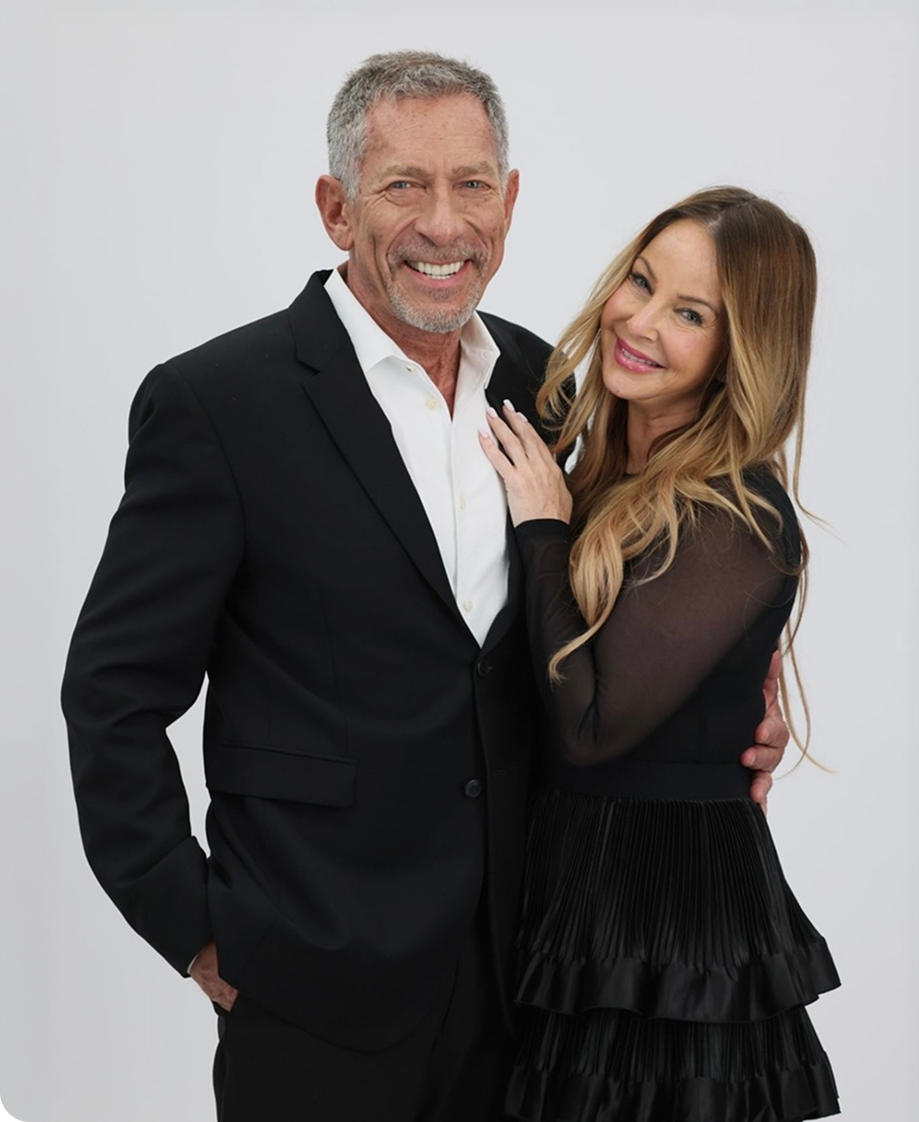
Dr. Rosenbloom with companion

Aging vs. Fading 

I do not fear death. I fear dependency. I fear fragility. I fear losing clarity before I lose pulse.
Fading is quiet. Grip strength softens. Recovery slows. Names take an extra second. There is no emergency. Just gradual erosion.

I have seen that erosion in people I love. It accumulates long before it is named.
Muscle responds to load — even in your seventies. Insulin responds to discipline. Aerobic capacity responds to challenge. Hormones respond when intelligently guided.
Biology declines when ignored. It responds when engaged. That is my negotiation with time.

Trajectory Is Not Fixed

Chronological age moves forward whether I participate or not. Biological age responds to participation.
When I train, muscle increases. When I push intervals, VO₂ max improves. When I refine diet, insulin stabilizes. When inflammation and sleep are controlled, cognition holds.

Traditional medicine often waits for diagnosis. I monitor muscle mass, fasting insulin, ApoB, visceral fat, and inflammatory markers not because I am ill, but because I intend to remain capable.
The objective is simple: to remain strong. To remain clear. To remain independent.

Lifespan vs. Healthspan

Medicine has extended life. I am not interested in extended fragility. I have watched cardiovascular disease unfold. I have watched cognitive decline progress slowly and without mercy. I have watched strength leave a body before life leaves it.

These trajectories begin long before diagnosis. Blood pressure may appear controlled while arteries stiffen. Glucose may appear normal while insulin rises. Weight may remain stable while muscle declines.
By the time something is labeled, it has often been progressing for years.
I choose earlier awareness. Earlier correction. Earlier ownership.

The Objective 

Not survival. Strength. Clarity. Metabolic resilience. Sensuality. Joy.

I train because I intend to carry my own weight. I monitor because I intend to trust my own mind. I measure because decline rarely announces itself. Longevity is not a slogan for me. It is a decision made repeatedly — in the gym, at the table, and in the lab review.
I apply this standard to myself first. Only then do I ask it of my patients. Outcomes vary. Commitment varies. Trajectory does not improve by accident.

I am aging. I choose not to fade.

Professional Affiliations